

University-originated research has paved the way for advanced technologies and improvements across every industry. As climate impacts become more visible and more devastating, a growing number of academics and researchers are turning their attention to technological innovation and research that could support, enhance and accelerate climate adaptation.
This report, Resilience Game Changers, examines challenges and opportunities on the road from lab to market for resilience technologies and highlights five platform technologies with resilience benefits across industries, exploring the university-driven breakthroughs that unlock new possibilities and the journey from lab to market for these technologies.
These detailed case studies help inform investors and other funders looking for the next frontier, entrepreneurs who may be exploring their next opportunity, and technology adopters looking for innovative solutions. Understanding the emerging technologies, their maturity and their potential applications may enable these stakeholders to strategically monitor relevant developments and plan targeted engagement.
Download the Report or register for the Launch Webinar.
Technology Case Studies
To select our case studies, we conducted a review of academic research in the United States and United Kingdom that could be applied to climate adaptation and resilience needs. Leveraging our Taxonomy, we examine technologies that are in different stages of development, exploring the role universities have played, the challenges and successes of commercialization to date and what may be coming on the horizon.
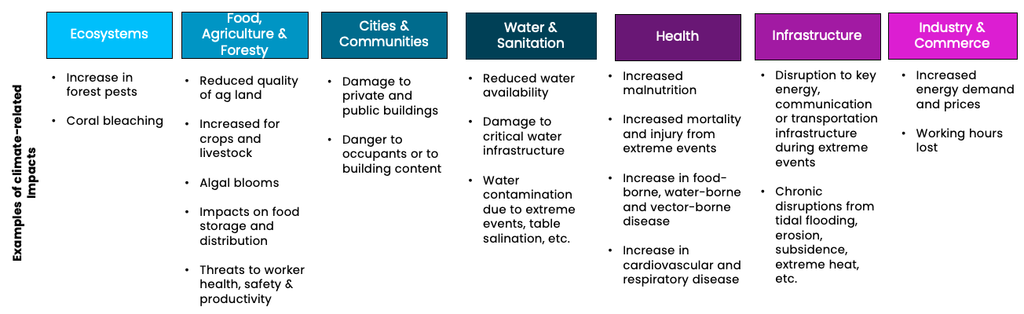
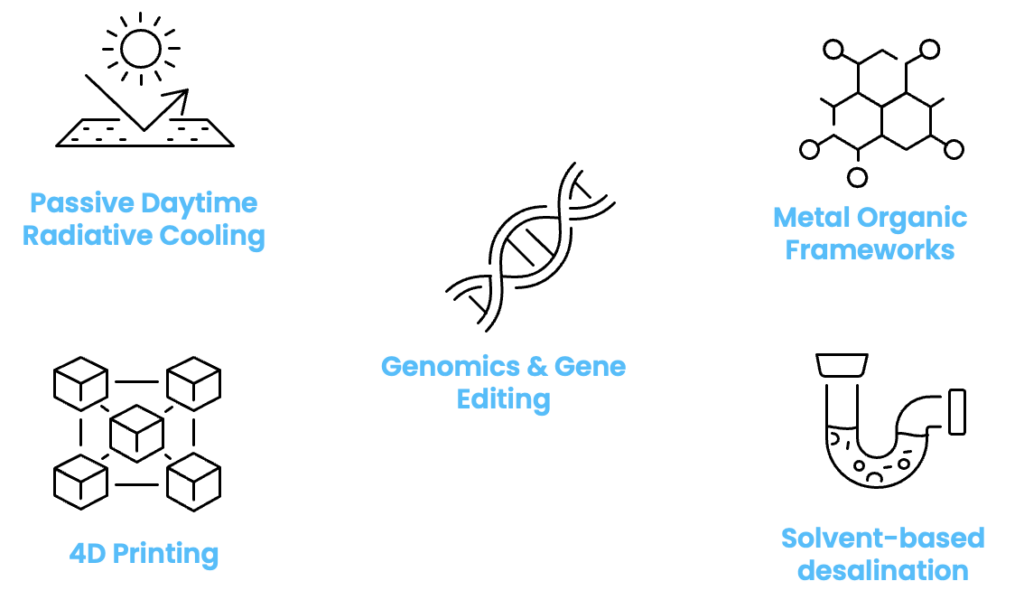
The first three technologies we explored, passive daytime radiative cooling, metal organic frameworks and genomics & gene editing, were unlocked by breakthroughs over a decade ago and have been powering spinouts for years. However, continuing R&D is unlocking new resilience applications of these technologies across a range of sectors, while technological advances continue to drive down costs and increase potential commercial opportunities.
The next set of technologies we feature include 4D printing and solvent-based desalination, which have received more R&D attention recently, with ongoing discoveries shining light on potential resilience applications in healthcare and industry respectively. There is still much to discover in terms of both technological and financial feasibility at scale, but these could underpin potentially game changing innovations over the next decade.
Many other technological advances are relevant to climate adaptation and resilience, such as nanomaterials (including carbon nanotubes), phase-change materials, advanced formulations of phosphate wildfire retardants and wearable microfluidic biosensors. See our Portfolio of investments for examples of commercial applications of some of these technologies. The universe of other scientific advances that could support adaptation is vast and we invite readers to explore and invest in the full span of technologies with resilience applications.
Case Studies
Passive Daytime Radiative Cooling
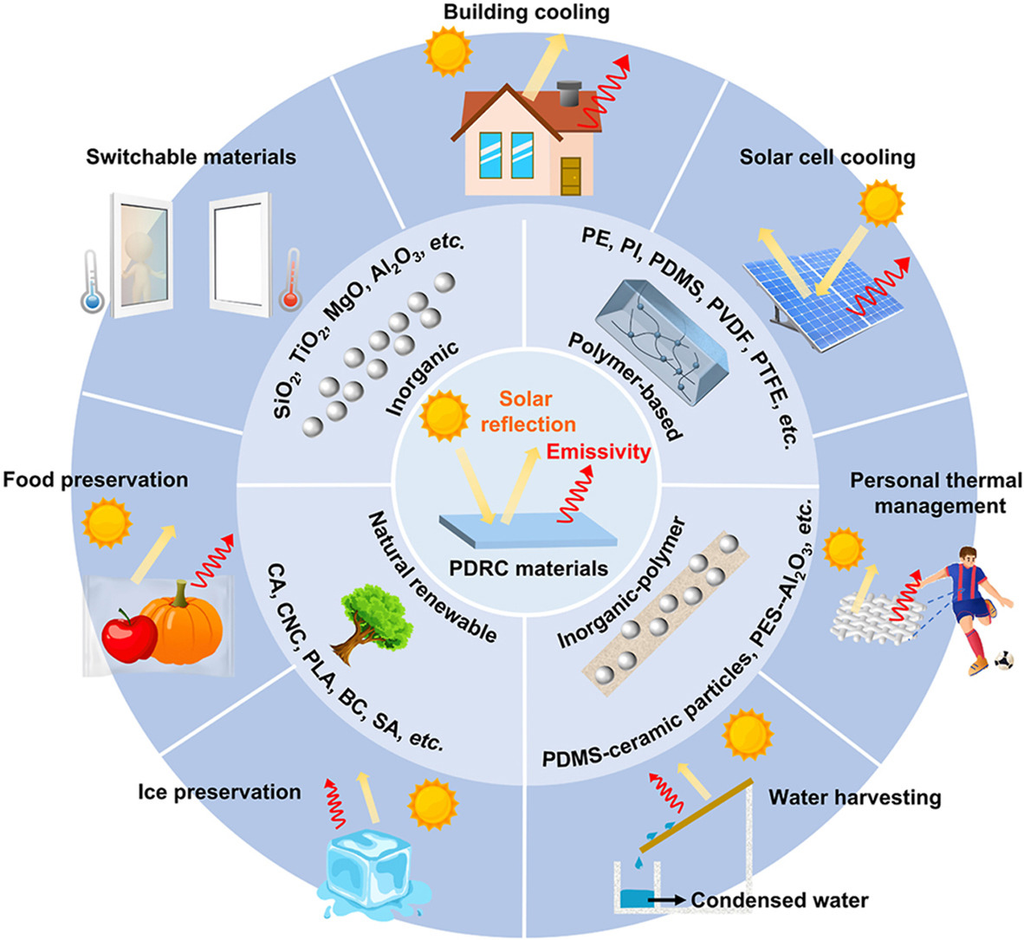
Passive daytime radiative cooling (PDRC) materials cool themselves below the ambient air temperature in direct sunlight, without consuming any energy. A 2014 Stanford experiment made daytime, direct sun passive cooling possible for the first time by engineering surfaces that reflect solar radiation while emitting heat through the atmosphere directly into space.
PDRC can reduce buildings’ cooling loads and grid exposure during peak heat events, protect outdoor workers and livestock in spaces where air conditioning isn’t viable, and extend cold chain capacity in areas with unreliable power.
Companies like SkyCool Systems, Chill Skyn, and Pirta are already commercializing the technology across panels, coatings, and paints. Meanwhile, researchers are pushing into the next frontier: wearable PDRC textiles and personal protective equipment for heat-exposed workers. Figure Source: Feng et al (2024)
Metal-Organic Frameworks
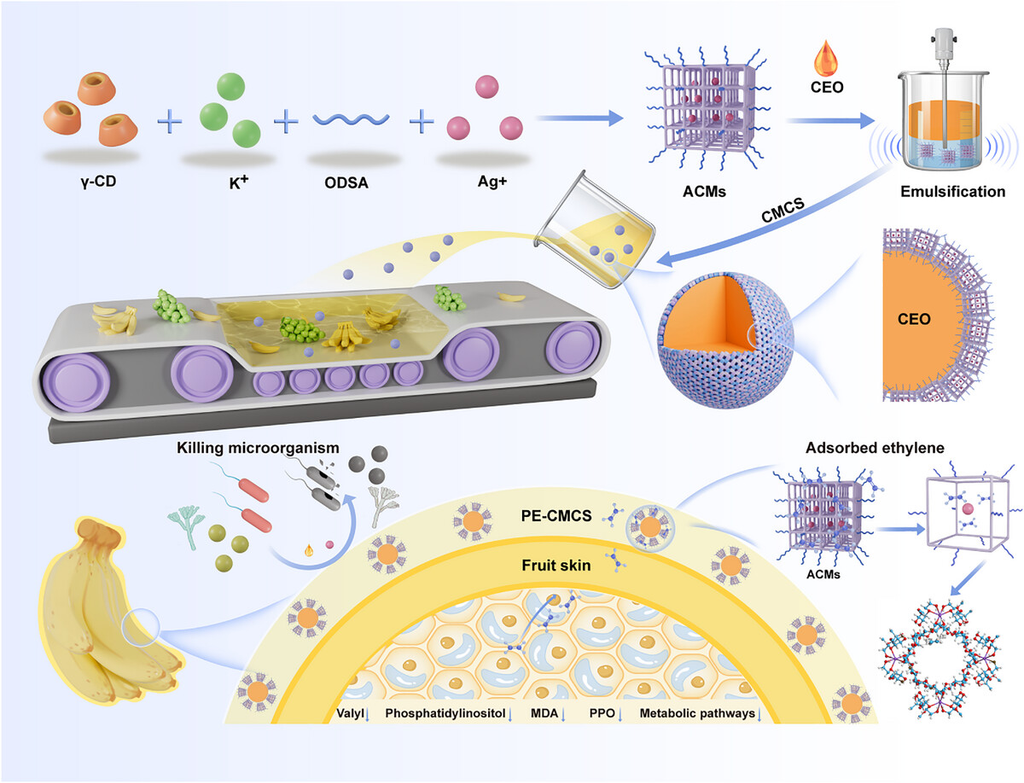
Metal-organic frameworks (MOFs) are ultra-porous crystalline structures that act as molecular sponges, engineered to selectively capture specific molecules from their environment. A single gram can contain an internal surface area equivalent to a football field. First stabilized in a landmark 1999 study by chemist Omar Yaghi of UC Berkeley, MOFs earned the 2025 Nobel Prize in Chemistry and have since been synthesized in over 100,000 distinct structures, each tailored for different functions.
The applications to climate resilience span multiple sectors. MOF-based atmospheric water generators can extract drinking water from desert air at humidity levels as low as seven percent. Meanwhile, MOFs can selectively remove heavy metals and contaminants from compromised water supplies and early research is demonstrating their use in food packaging to extend produce shelf life by passively capturing ethylene gas, increasing the resilience of food supply chains.
Startups including WaHa and Aquaporo are commercializing MOF-based water harvesting, while BASF has begun producing MOFs at industrial scale. Figure source: Yang et al (2026)
Genomics & Gene Editing
Sequencing a human’s genome has rapidly transformed from a project that took an international cohort 13 years and about $2.7 billion during the Human Genome Project to something that can happen in a few hours for a few hundred dollars. Sequencing of entire genomes, including human, crops, livestock, pests and others, has unlocked opportunities to identify the genes responsible for certain diseases or resilient traits, examine how they interact with the rest of the genome and create targeted interventions.
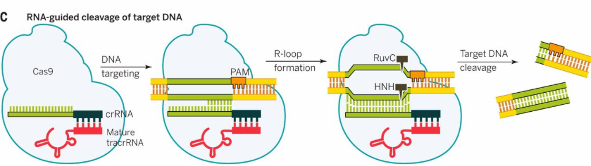
Potential interventions multiplied in 2012 when Jennifer Doudna of UC Berkeley and Emmanuelle Charpentier announced their discovery of how to use the CRISPR-Cas9 gene expression system to significantly improve the efficiency and efficacy of gene editing.
From a company engineering crops to provide signals when they’re infected with fungi and another engineering nitrogen fixing microbes to eliminate the need for chemical nitrogen fertilizer to a team leveraging AI genomics modeling to breed for low-input resilient crops, multiple startups are innovating in this space. This technology has also led to breakthroughs and ongoing research related to controlling vector-borne diseases, with Flyttr (previously Oxitec) having been commercializing these approaches for over a decade. Image Source: Jennifer A. Doudna, Emmanuelle Charpentier (2014)
4D Printing
This technology uses additive manufacturing, commonly known as 3D printing, to produce objects capable of changing shape in response to temperature, moisture, or pH, without power, sensors, or human intervention. These adaptive 3-dimensional objects can be described as having a 4th dimension: time.

The most advanced climate adaptation applications are in healthcare, where extreme heat puts cardiovascular and kidney disease patients at higher risk and changes their medication needs. Standard medical implants release drugs at preset rates or hold arteries at fixed geometries, regardless of what the body is experiencing. However, researchers at the University of Texas at Austin have demonstrated 4D-printed constructs that self-fold at body temperature and modulate drug release as they change shape, a proof of concept for implants that could automatically adjust dosing during heat events. A separate group has developed 4D-printed vascular stents that self-expand at body temperature. UK-based 4D Medicine is developing printable bioabsorbable medical devices. Figure Source: Pei, E and Loh G. H. (2018)
Solvent-based Desalination
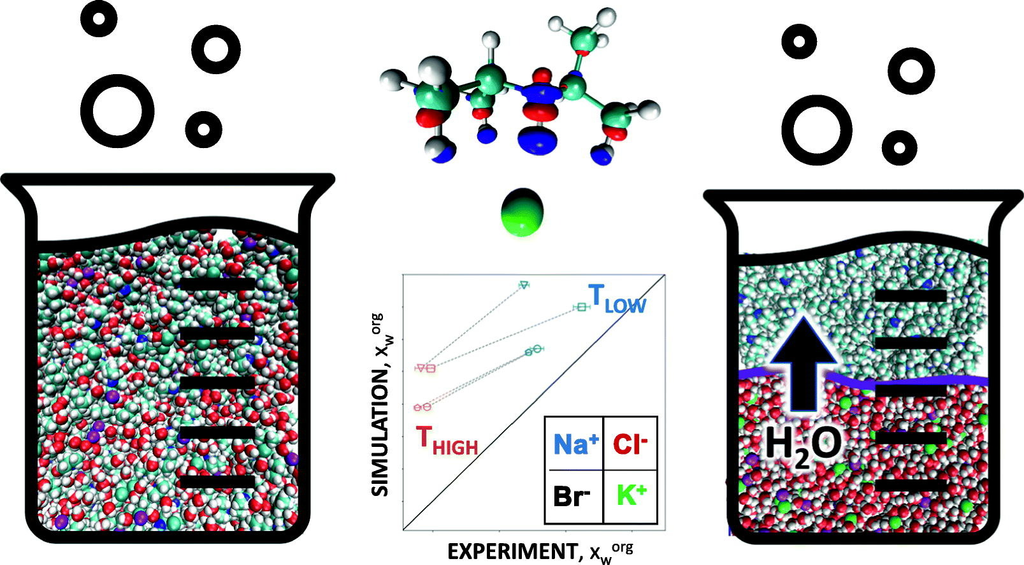
Solvent-based desalination uses liquids that bond with water molecules to pull the water out of highly salty and contaminated brines, such as those created by heavy industries. The solvent releases the water as a clean product when it’s exposed to a change in temperature or pressure and then returns to the start of the cycle.
This technology can treat water that’s too salty for reverse osmosis. In 2020 the Yip Lab at Columbia showed that solvent extraction could transform very salty irrigation drainage water to dry solid salt, minerals, and cleaner water, which presents the additional potential new use case focused on mineral extraction from brines.
Trevi Systems is piloting a DME-and-reverse-osmosis plant at a pistachio orchard in California’s Central Valley, converting brackish groundwater into irrigation water and reducing the orchard’s draw on the drought-stressed water resources.
Solvent-based desalination also has the potential to treat toxic mining or other industrial waste, pulling out cleaner water that can be reused on site. This lowers the company’s exposure to operational disruptions, water-procurement related cost, and reputational risk in water-stressed regions. A 2024 paper from the Yip Lab at Columbia demonstrated removal of more than 99.5 percent of dissolved selenium and 96 to 99.6 percent of mercury, addressing salinity and contamination in one process. Cetos Water is commercializing this approach. Figure source: Barbosa et al (2022)
Credits
We are grateful to the Quadrature Climate Foundation for funding this report and to the researchers and practitioners who provided insight and reviewed chapters.